

Why foot health starts with good socks? A guide for people with diabetes
Diabetes is a disease that affects many aspects of health, including the condition of the feet. People with diabetes must take special care of their feet to prevent serious complications such as diabetic foot. Diabetic foot can lead to dangerous infections, necrosis and even amputation. Proper fo...
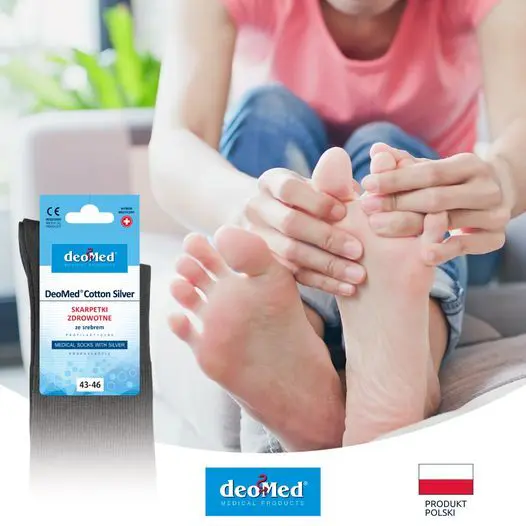
Diabetes is a disease that affects many aspects of health, including the condition of the feet. People with diabetes must take special care of their feet to prevent serious complications such as diabetic foot. Diabetic foot can lead to dangerous infections, necrosis and even amputation. Proper foot care, including choosing the right socks, plays a key role in preventing these problems.
What is diabetic foot?
Diabetic foot is a condition that develops due to circulation disorders and nerve damage (neuropathy) in people with diabetes. Poor blood supply to the feet weakens tissues, making them more susceptible to damage such as chafing, ulcers or blisters. In addition, diabetic neuropathy means that affected people do not feel pain or discomfort, which can lead to unknowingly neglecting foot condition.
Failure to treat diabetic foot properly can lead to infections that are difficult to heal and, in extreme cases, to necrosis and the need for amputation. That is why preventing skin damage and proper foot care, in which appropriate socks can play a crucial role, is so important.
The role of proper socks in diabetic foot prevention
Properly chosen socks can significantly help reduce the risk of foot injuries. Socks for people with diabetes, such as DEOMED® socks, were designed to meet the specific needs of diabetics. Here are the features diabetic socks should have and why they matter:
- Non-compression construction
People with diabetes often have circulation problems in the lower limbs. Traditional socks can compress feet and legs, further impeding blood flow and increasing the risk of wounds and ulcers. DEOMED® socks are non-compression, meaning they do not restrict circulation and minimise risks associated with impaired blood flow.
- No seams around the toes
Seams in traditional socks can cause chafing, especially in the toe area, which for diabetics can lead to painful wounds. Diabetic socks are usually designed without seams or with very delicate finishing to avoid skin irritation.
- Breathable and antibacterial materials
The material from which socks are made is crucial for foot health. DEOMED® socks are made from breathable, airy materials that help maintain optimal temperature and moisture on the feet — especially important because a moist environment promotes infections. These socks also have antibacterial properties that protect against fungal and bacterial infections.
- Protection against chafing and blisters
Diabetics' feet are especially prone to blisters and chafing that heal with difficulty. DEOMED® socks are designed to minimise friction between the foot and footwear, helping prevent wounds that could lead to complications.
- Proper fit
Well-fitted socks are key to avoiding problems. Too tight socks can cause chafing and circulation problems, while too loose ones can bunch up in the shoe, also leading to injury. DEOMED® socks are elastic and fit the foot well without causing compression or bunching in footwear.
Why choose DEOMED® socks?
DEOMED® socks are specialist diabetic socks that combine all features necessary to protect feet from diabetic complications. Regular wear of such socks can significantly reduce the risk of diabetic foot. Their unique construction, highest quality materials and antibacterial properties make them an ideal solution for people with diabetes who want comprehensive foot care.
How to care for feet besides wearing proper socks?
In addition to wearing proper socks, people with diabetes should remember regular foot care, including:
- Daily inspection of feet for wounds, chafing or redness,
- Keeping feet clean and dry,
- Using moisturising creams to prevent skin cracking,
- Wearing appropriate, comfortable footwear that does not cause chafing.
Any changes in foot skin condition should be consulted with a doctor immediately to prevent complications.
Properly chosen socks such as DEOMED® can help prevent serious diabetic complications, including diabetic foot. Regular wear of such socks, combined with proper foot care, can significantly reduce the risk of foot-related health problems.