

Foot conditions and ailments - how can you help yourself?
Foot conditions and ailments — how can you help yourself? Modern humans constantly move on flat, hard artificial surfaces. As a result, the arched elements of the foot (ligaments, bones, muscles) undergo enormous overload. Foot deformities trigger a whole chain of negative changes. Dysfunction of...
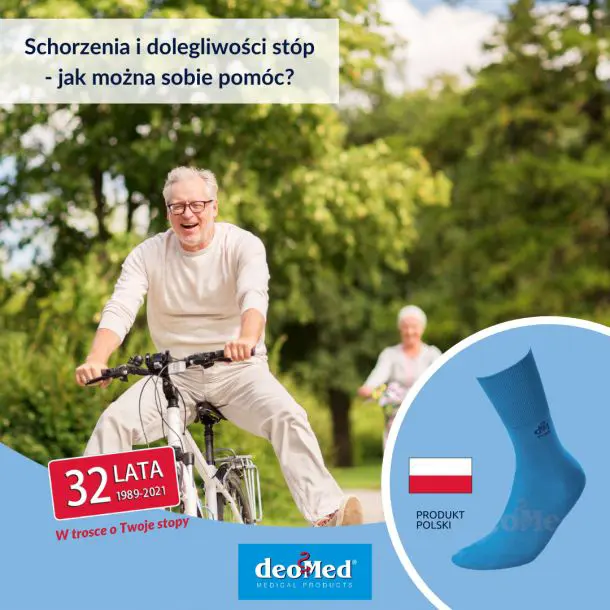
Foot conditions and ailments — how can you help yourself? Modern humans constantly move on flat, hard artificial surfaces. As a result, the arched elements of the foot (ligaments, bones, muscles) undergo enormous overload. Foot deformities trigger a whole chain of negative changes.
Dysfunction of the lower limbs leads to pain throughout the body. Legs are constantly subjected to physical overload that over time leads to various injuries: circulation problems, osteoarthritis, back problems and even headaches. The foot is the foundation of the human body. Several risk factors promote development of foot conditions and musculoskeletal deformities: excessive leg load during standing work, long walking, sports, etc. Age-related changes, degeneration, diabetes, obesity, fungus, swelling and pain complaints. Excessive body flexibility leads to joint instability and foot deformities such as flat feet.
Foot conditions and ailments — how can you help yourself?
Many foot problems can be prevented by using Deomed® socks, which are a registered medical device, guaranteeing the properties attributed to them. The socks are seamless and breathable and, very importantly, do not compress the leg, ensuring comfort when worn. They significantly limit the risk of skin infection and fungus. In which foot problems can they help?
Diabetes – reducing the risk of diabetic foot syndrome
Diabetic foot is a serious complication of diabetes involving damage to blood vessels, nerves, muscles and bones of the foot. This manifests as deep, non-healing ulcers and areas of tissue necrosis on foot skin. In severe cases this can affect even bones and ligaments of the foot. Everyone knows that the main symptom and factor of diabetes is elevated blood glucose. Normally blood sugar is maintained at a constant level by insulin produced by the pancreas when glucose rises, e.g. after eating. Diabetes gradually destroys small capillaries and nerve endings, consequently weakening blood circulation in tissues. Feet are under constant stress and foot skin is often injured, especially when diabetes is accompanied by dry skin. Invisible chafing, cracks and wounds on the skin, combined with worsening circulation and tissue nutrition, turn into deep, long-lasting, non-healing wounds. Foot tissues suffer oxygen deficiency; when walking swelling and pain appear. Blisters form on the skin that without healing eventually become painful ulcers with irregular edges. How to reduce the risk of diabetic foot? Above all care for hygiene and monitoring feet for damage: blisters or even ingrown nails, and choosing appropriate footwear and socks.
Arterial and venous insufficiency of the lower limbs
Statistics show that impaired leg circulation affects one in three people. Anyone with a sedentary lifestyle or standing work is at risk. If feet stay cold even during heat or do not warm under a warm blanket, this is an alarm signal of poor circulation. Due to growing oxygen and nutrient deficiency in tissues irreversible changes can occur. This disease steadily progresses without treatment. Even surgical methods to restore circulation in late disease stages do not always allow return to normal life.
Early treatment can improve quality of life and slow disease progression. Lower limb ischaemia is most often caused by atherosclerotic changes in blood vessels: cholesterol plaques on vessel walls significantly narrow the lumen. Prescribed medicines improve tissue trophism, dilate blood vessels and prevent clot formation. If such foot conditions and ailments occur — how can you help yourself? Physiotherapy treatments and exercises, contrast water treatments and above all lifestyle change are worth trying. Bad habits must be abandoned and special physical exercise routines performed.
Leg swelling
Leg swelling is an extremely common problem signalling serious conditions in the body. Above all kidneys should be examined — they often cause swelling. Leg swelling appears due to fluid accumulation and retention in tissues. The most common cause is chronic venous insufficiency, a disorder of normal venous valve function. Blood flow becomes chaotic and pressure in veins, especially subcutaneous ones, rises so much that vessel walls begin to expand like a balloon. Because the heart cannot cope with the load, veins become blocked and blood can accumulate in the lower limbs. Swelling forms around damaged hard tissues due to fluid accumulation and excess blood, leading to stagnation.
Liver disease and hormonal disorders lead to abnormal metabolism in which the body absorbs less fluid. A foot can swell due to injury — for example when ankle ligaments are sprained. Swelling appears soon after injury. The thyroid can also cause swelling. If thyroid disease causes hormonal disorders, swelling often accompanies it. In men this link is less common; their hormonal changes and swelling are sometimes linked to prostate conditions. How to deal with leg swelling? Soaking legs in salt water and limiting salt intake help. Wearing appropriate socks also brings relief.
Excessive sweating of foot skin
Sweat production by the human body is a natural process necessary for normal heat exchange. Sweat glands regulate human body temperature, but excessive sweating is not always good. Increased or excessive sweating causes considerable discomfort. With excessive foot skin sweating, moisture is constantly felt in the feet. It is often accompanied by microflora and fungi causing unpleasant odour. Another negative point can be skin irritation and dermatitis development. Excessive foot skin sweating appears due to wearing too tight, narrow shoes, synthetic material socks, improper foot care and foot diseases.
Excessive foot sweating can also be caused by infectious diseases, endocrine disorders, malignant tumours and any central nervous system disorders. Hormonal system diseases also contribute to excessive sweating: diabetes, overweight and hyperthyroidism. Excessive foot sweating can occur during pregnancy and menopause due to hormonal imbalance in that period. Ovarian tumours can also cause excessive sweating because they produce testosterone that directly affects perspiration. With such foot conditions and ailments — how can you help yourself? Pay special attention to foot hygiene, use special drying powders for foot skin, antiperspirants or home remedies and dietary changes.
Obesity – increased pressure on the feet
Everyone knows that weight gain can affect the cardiovascular system, but do we all understand how weight gain also affects the feet? One such problem is osteoarthritis. Degenerative joint disease occurs when cartilage lining joints begins to wear away. Over time bones begin to rub, causing pain. Weight gain intensifies this friction. Another problem is the plantar fascia — thick connective tissue supporting the lower part of the foot. It attaches from the heel bone to all long bones of the lower foot. It contains no elastic fibres. Inflammation usually appears due to tight calf muscles, flat feet or weak arch support. Plantar fascia is one of the most common causes of heel pain.
Obesity is considered a main factor in development of this disease due to increased foot load; it directly affects the lower foot and its structure. Important! Feet are the shock absorber between body weight and the surface walked on. As weight grows, foot load naturally increases. If someone suffers from obesity, the most common cause of foot pain is plantar fasciitis and heel spur. Overweight actively influences formation of bones and bumps at the base of a crooked big toe. This process can make proper shoe and insole fitting difficult. Another common problem is hammer toes adopting a bent position. Well-fitted, moderately flexible shoes help. The sole should not be too hard or too soft. Of course, switching to a diet and increasing physical activity often helps overcome obesity.
Recurring foot fungus
Recurring foot fungus is one of the most common fungal skin changes. Skin between toes and the underside of the foot is often infected. The disease is caused by fungi of the Trichophyton and Candida genera. On contact with the epidermis they begin active multiplication. The effect is skin peeling, cracks between toes and rash. In later stages the disease attacks nails, which fade, thicken, edges crumble and yellow stripes appear. Scratching affected skin or minor injuries let the fungus penetrate deeper into the dermis. Infection spreads through the bloodstream throughout the body. Fungal infection resists adverse external factors and prefers warmth and moisture.
Showers with poor water flow, old slippers, borrowed shoes (skates, roller skates, ski boots), bathroom mats are main fungus breeding grounds. They penetrate skin through scratches and calluses. People with excessive foot sweating are at risk because prolonged sweat exposure weakens skin protective properties. Recurring foot and nail fungus often causes autoimmune allergic reactions up to bronchial asthma development. It is important to treat fungus properly without turning it into a stable chronic form. To help yourself, care for foot hygiene, use appropriate foot cosmetics, avoid places where foot fungus can be contracted and change socks daily.
Atopic dermatitis of the feet
Atopic dermatitis of the feet has many symptoms; it is dermatitis with a complex course. Hereditary factors and the immune system are responsible for this foot condition. The first symptom is foot swelling, then redness, followed by development of pustular blisters and crusts after they burst and the peeling stage begins. Doctors believe atopic dermatitis of the feet is caused by inflammation, fungus and allergic eczema. Eczema linked to excessive foot sweating features scattered blisters and intense itching. It most often affects foot toes or inner foot arches. With AD skin becomes thickened, rough and inflammatory exudate sometimes occurs. A dermatologist visit is necessary for appropriate pharmacological treatment. Emollients help regenerate the epidermis; phototherapy is also an option.
Deomed® socks – help with foot problems
The foot conditions and ailments listed above can be limited by using Deomed® socks, which reduce unpleasant symptoms, ease itching and provide greater comfort. This medical product does not cause chafing or skin damage because it has no seams or has very thin seams over the toes. How do they support foot skin in ongoing diseases? Deomed® socks have non-compression, gently hugging leg cuffs that do not disturb proper blood or body fluid flow. People already using these seamless socks say they are extremely elastic and only gently hug the legs. Thanks to these properties there is no problem putting them on even significantly swollen legs.
Answering the question — foot conditions and ailments, how can you help yourself? Deomed® socks will certainly help. They have antifungal and antibacterial properties, thereby reducing the possibility of skin foot infections. This product can be trusted because many people have already used them and confirm their health-promoting action. They are also breathable, not limiting air access to feet — a wonderful product for excessive foot sweating. If someone constantly struggles with the above foot and leg conditions and ailments, they can confidently start wearing Deomed® socks that will meet hopes of easing the problem.
Important! Deomed® products are registered as medical devices, which does not mean they treat specific conditions. They may be used in the prevention of various conditions, may help prevent their onset and relieve symptoms associated with those conditions. Articles published on our blog are for informational purposes and draw attention to possible medical issues, but they do not relate to specific health cases and should not be used as medical knowledge or medical advice. All medical matters should be discussed with an appropriate doctor.